
BPC-157

BPC-157
BPC-157 (Body Protection Compound-157) is a synthetic 15 amino acid peptide derived from a gastric protein sequence studied for tissue-healing and cytoprotective properties. Preclinical models demonstrate accelerated wound repair and anti-inflammatory act
|
Vial Size
|
Dose Range
|
Schedule
|
Primary Goal
|
|---|---|---|---|
| 10 mg vial | 200 to 600 mcg daily with gradual titration. | Daily subcutaneous injections for 8 to 12 weeks (extend to 16 weeks if desired). | Support tissue-healing and recovery processes based on preclinical evidence. |
Reconstitution Summary
Storage Summary
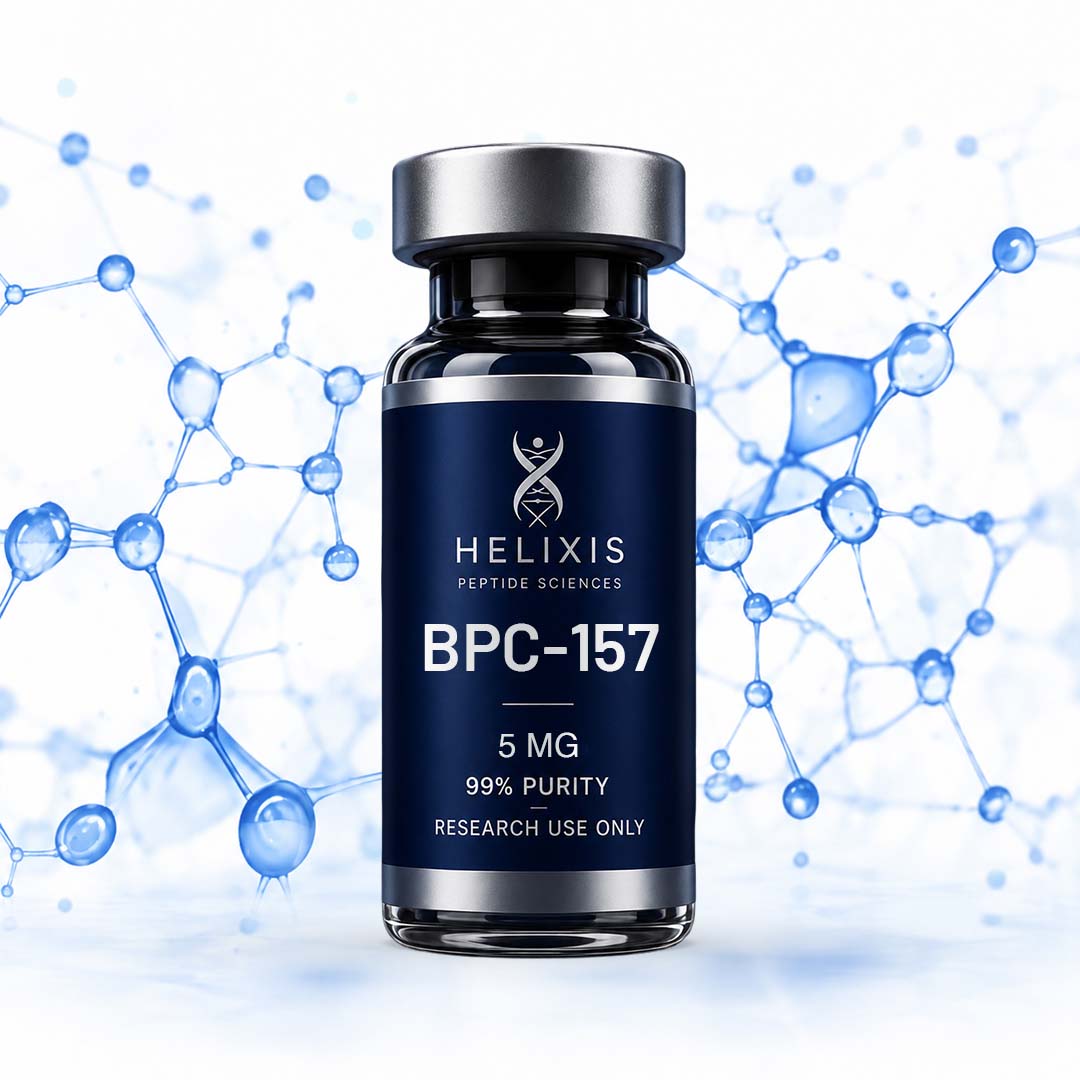
BPC-157 10mg
Reconstitution Steps
- Draw 1 mL bacteriostatic water with a sterile syringe.
- Inject slowly down the vial wall; avoid foaming.
- Gently swirl until dissolved (do not shake).
- Label and refrigerate at 2 to 8 °C, protected from light. At 10 mg/mL, 1 unit = 0.01 mL » 100 mcg on a U-100 insulin syringe.
How It Works
BPC-157 is a synthetic peptide corresponding to a partial sequence of human gastric juice protein. Preclinical studies suggest it modulates nitric oxide pathways and growth-factor expression to promote angiogenesis and collagen deposition in damaged tissues. Animal models report accelerated healing of gut, tendon, ligament, and muscle injuries. A Phase I oral safety trial has been completed, and a small human case series reported improvements following intra-articular administration; however, large-scale controlled human efficacy data are not yet available.
Benefits & Side Effects
- Supports tissue repair in gut, tendon, muscle, and skin injury models (animal data).
- Demonstrates anti-inflammatory and cytoprotective properties in preclinical settings.
- Phase I safety studies report good tolerability with no serious adverse events at tested doses.
- Occasional mild injection-site reactions (redness, itch) may occur with subcutaneous administration.
- Long-term human safety and efficacy remain under investigation.
References & Scientific Literature
- Sikiric P et al. BPC-157 stable gastric pentadecapeptide: novel therapy for wound healing (Current Pharmaceutical Design).
- Seiwerth S et al. BPC-157 and angiogenic growth factors: GI tract healing and beyond (Life Sciences).
- Vasireddi N et al. Emerging use of BPC-157 in orthopaedic sports medicine: systematic review (HSS Journal, 2025).
- Chang CH et al. BPC-157 promotes tendon-to-bone healing in rat rotator cuff model (Journal of Orthopaedic Research).
Get BPC-157 at ION Peptide